Nanomedicine

Naveen Kumar
| 12-12-2025
 · Astronomy Team
The medical field has made remarkable strides in recent decades, but few innovations have captured as much attention as nanomedicine, especially in the realm of targeted therapy.
Imagine a treatment that can deliver drugs directly to diseased cells, leaving healthy ones untouched. This is not science fiction—it's a reality made possible by nanotechnology.
But how does it work, and what makes it such a game-changer?
The Science Behind Nanomedicine
At the heart of nanomedicine is the concept of "nano." Nanotechnology refers to the manipulation of matter on an atomic or molecular scale, typically at sizes between 1 and 100 nanometers. A single nanometer is one-billionth of a meter, roughly the size of a few atoms lined up in a row. This tiny scale allows nanoparticles to interact with biological systems in ways that larger molecules cannot.
For instance, nanoparticles can be engineered to target specific cells or tissues. In cancer treatment, these particles can be designed to bind only to cancer cells, delivering the drugs directly to the tumor while minimizing damage to surrounding healthy tissue. This specificity is a major advantage over traditional chemotherapy, which often affects both healthy and cancerous cells.
How Targeted Therapy Works
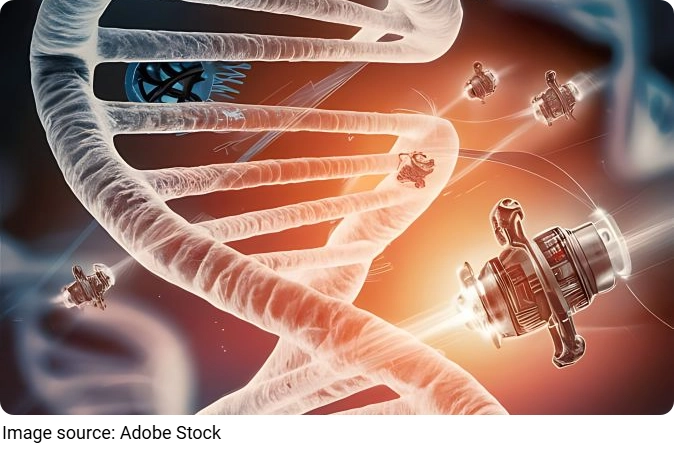
Targeted therapy works by using these nanoscale particles to deliver drugs or genes precisely where they're needed. Unlike conventional treatments that disperse medication throughout the body, targeted therapies use nanoparticles to transport therapeutic agents, such as chemotherapy drugs, DNA, or RNA, directly to diseased areas.
The key advantage here is the accuracy with which these therapies can treat diseases, particularly cancer. For example, in a study published in Science Translational Medicine, researchers designed nanoparticles that could deliver a specific chemotherapy drug to cancer cells while sparing healthy ones. This selective targeting reduces side effects and improves the overall efficacy of the treatment.
Real-World Applications and Success Stories
Nanomedicine is already being used in clinical settings, with a growing number of drugs utilizing nanoparticles for more effective and safer treatments. One notable example is the use of Doxil, a liposomal formulation of doxorubicin. This formulation encapsulates the chemotherapy drug in liposomes (tiny lipid nanoparticles), allowing the drug to be delivered more directly to cancer cells, reducing heart-related side effects.
Another exciting development is the use of nanotechnology for gene therapy. Nanoparticles can be designed to deliver genetic material directly into cells, a technique known as gene editing. By using nanoparticles as "carriers" for these gene therapies, researchers hope to treat a range of conditions from genetic disorders like cystic fibrosis to cancers.
One of the most promising areas for nanomedicine is in the treatment of neurodegenerative diseases. For example, Alzheimer's disease and Parkinson's disease involve the buildup of proteins in the brain. Nanoparticles could potentially be used to deliver therapeutic agents that break down these proteins, offering hope for new treatments for these currently incurable diseases.
The Challenges and Future of Nanomedicine
While the potential of nanomedicine is huge, it's not without its challenges. One of the primary hurdles is the safe and efficient use of nanoparticles within the human body. Nanoparticles need to be biocompatible, meaning they must not trigger harmful immune responses or accumulate in organs over time. Researchers are working hard to design nanoparticles that can break down safely once they've delivered their therapeutic payload.
Another challenge lies in the manufacturing and scale-up of nanomedicines. Producing nanoparticles at a large scale while maintaining consistency and quality is a complex task. Additionally, ensuring that these nanoparticles can be easily and safely administered to patients is crucial for their widespread use.
Despite these hurdles, the future of nanomedicine looks bright. With ongoing advancements in nanotechnology and a deeper understanding of how these particles interact with biological systems, the next generation of targeted therapies could revolutionize treatments for a wide range of diseases.
How Nanomedicine Can Change Patient Care
The potential benefits of nanomedicine are clear: less invasive procedures, fewer side effects, and more personalized treatments. For patients, this could mean faster recovery times, lower risks of complications, and improved quality of life. For doctors, nanomedicine offers a way to precisely target diseases, improving treatment outcomes and minimizing the trial-and-error approach that often accompanies traditional therapies.
The ability to design drugs that target specific cells or tissues can also help reduce the overall cost of treatment. By limiting side effects and improving the effectiveness of therapies, healthcare providers could potentially save costs associated with managing side effects and long-term complications.
Conclusion: A New Frontier in Medicine
Nanomedicine's potential to transform the field of targeted therapy is enormous. While challenges remain, the strides made so far offer exciting possibilities for treating diseases more effectively and with fewer side effects. As research continues and technology advances, it's likely that we'll see even more groundbreaking treatments in the coming years. For those suffering from diseases once thought untreatable, nanomedicine might just be the breakthrough they've been waiting for.